
Here’s a detailed look into the metaverse of luxury fashion — how high-end brands are selling digital fashion, why they’re doing it, what it costs (and what you can expect), and how you might engage this new channel, especially if you’re based in Asia/Singapore.
1. What “digital fashion” in the luxury metaverse means
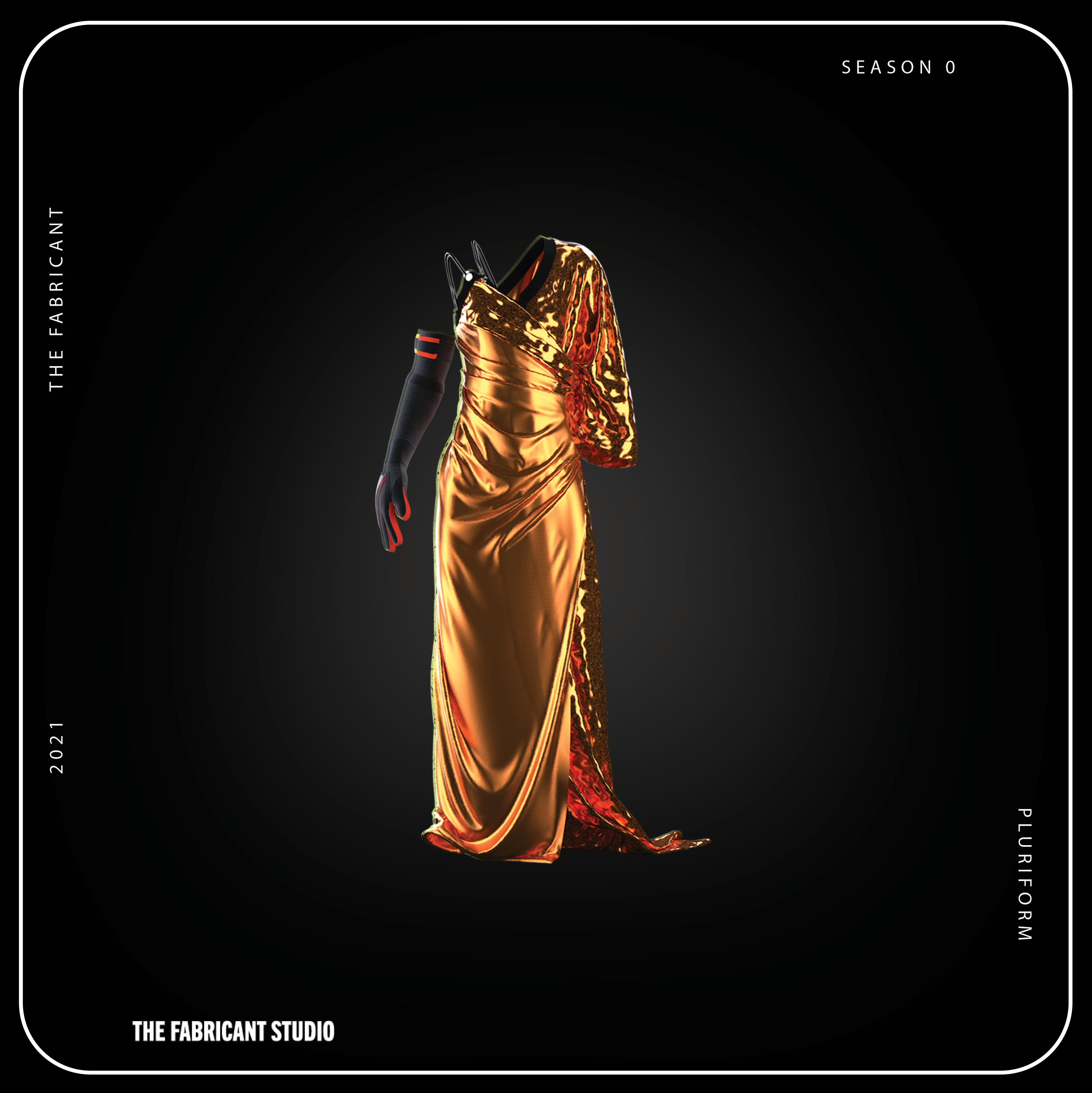
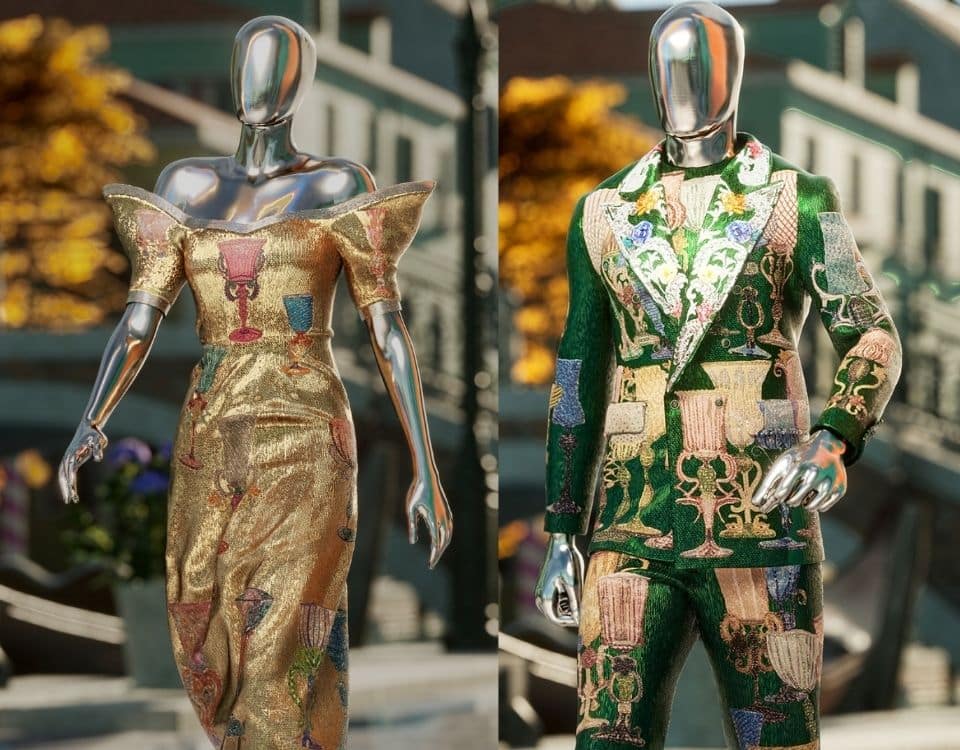
Digital fashion refers to virtual garments, accessories and wearables designed for avatars, virtual worlds, gaming platforms or as NFT (non-fungible token) collectibles — often tied to Web3, blockchain ownership, and community access.


Key dimensions:
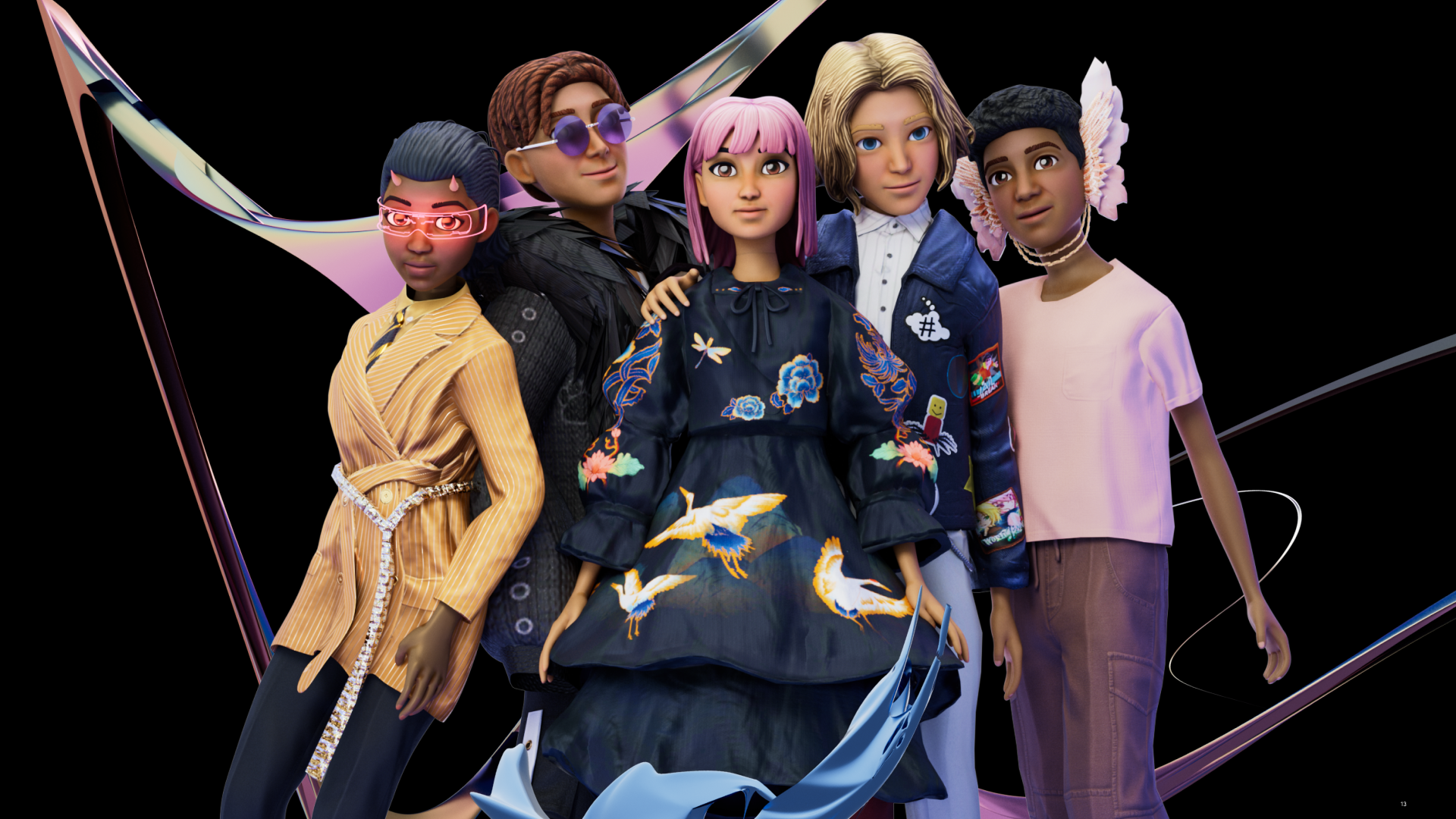
- Avatar wearables: For example, a luxury house releases a virtual version of a dress/bag that your avatar can “wear” in a game or virtual world.
- NFT digital fashion collectibles / phygital blends: Some items are strictly digital (NFTs), others tie to a physical item (“you own the digital version + the physical version later”).
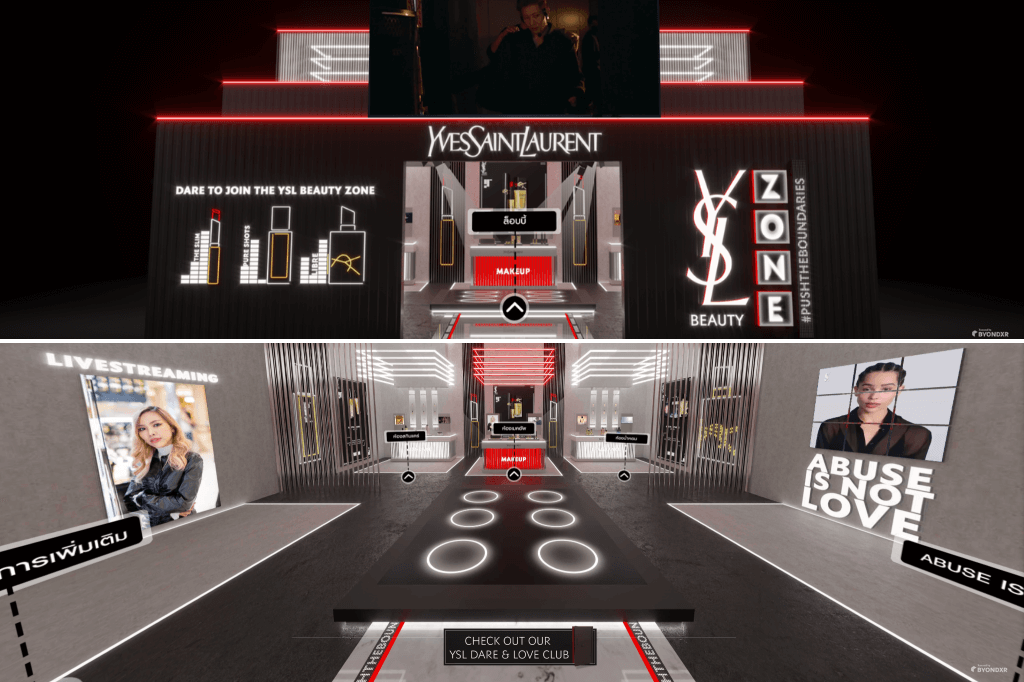
- Virtual brand experiences / stores / fashion shows: Brands open up virtual storefronts, host fashion shows in platforms like Decentraland or integrate into games.
- Ownership & authenticity via blockchain: These digital items often use blockchain for provenance, rarity, uniqueness.
In short: digital fashion is not just “photoshop clothes” — it’s a new asset class, brand experience, and channel for luxury.
2. Why luxury brands are jumping in
✅ Reach & younger audiences
Luxury brands see the metaverse as a way to engage Gen Z / younger affluent consumers who live in digital worlds or gaming environments. For example, one source pointed out that luxury’s presence in virtual worlds helps “connect with young consumers”. ✅ New revenue / asset model
Selling digital wearables or NFTs gives brands a new form of revenue (often with minimal physical production cost). Also, the “digital twin” or virtual version of a physical luxury good can command premium price because of scarcity and brand cachet. For example: one digital version of a bag sold higher than its physical version.
✅ Sustainability / brand-innovation credentials
Digital fashion may reduce some of the physical manufacturing/ waste and also position the brand as innovative and forward-looking.
✅ Creating deeper brand ecosystems & community
When brands issue digital wearables/NFTs, they can tie in membership, events, virtual experiences, and exclusivity which enhance luxury status in a new domain.
3. How the business is done — Models & Examples
▪ Digital wearables for avatars
- Valentino produced digital avatar looks for platforms like Bitmoji and its parent’s avatar ecosystem — e.g., five pieces tied to Resort 2024 collection, priced in Snap Tokens.
- Brands design virtual garments for games such as Fortnite, where users pay to dress their avatars.
▪ NFT drops / Phygital blends
- Dolce & Gabbana’s “Collezione Genesi” – digital garments & physical pieces, sold as NFTs, fetched ~US$6 million.
- Prada launched “Timecapsule” series – digital NFTs tied to physical items.
▪ Virtual stores / brand experiences
- The “Luxury Fashion District” in Decentraland hosts multiple luxury fashion brands’ virtual storefronts and fashion shows.
- Brands are integrating gamified experiences, loot boxes, token-gated rooms (e.g., in the Power XYZ report).
▪ Rarity, exclusivity & community access
- Digital fashion often uses limited editions, token gating (only holders can access certain drops or virtual rooms), and membership perks.
4. Costs & What It Means For Consumers
💲 Digital fashion price points
- Some avatar wearables cost just a few dollars/ tokens: e.g., Valentino’s avatar looks priced between US$2.99 and US$8.99.
- More exclusive digital fashion items (NFTs) can cost thousands of dollars depending on brand, rarity, and utility. Eg: Gucci’s virtual handbag sold for > US$4,000.
- Phygital models (digital + physical) and luxury house drops can cost tens of thousands or more.
🎯 What you’re paying for
- Ownership of a unique digital item: rarity + brand.
- Virtual status symbol: “my avatar wears X designer in the metaverse”.
- Access/perks: some drops include membership, future drops, event invites.
- Hybrid benefit: sometimes physical item + digital twin.
✅ Things to consider / risks
- Value is speculative: digital fashion is emerging; resale value not fully proven.
- Platform risk: If the virtual world or game/platform becomes less popular, the value of wearables may drop.
- Technical compatibility & user experience: Quality of rendering, avatar fit, cross-platform support vary.
- Authenticity: while blockchain helps, market still vulnerable to scams or over-hyped drops.
- For a Singapore/Asia user: need to check local crypto/ blockchain regulation, tax implications, and digital asset ownership rules.
5. Why It’s Especially Relevant for Singapore / Asia
- Asia-Pacific has large gaming and virtual world populations: For instance, a huge number of users engage in avatar-based platforms and virtual items. (One region statistic: gaming audience in Asia-Pacific numbers ~1.6 billion).
- Singapore is tech-savvy, crypto-aware, and luxury-consumption oriented — so digital fashion offers a new frontier for luxury consumers here.
- Time-zone and regional marketing: Brands launching digital fashion drops often target global audiences — participating early in Asia can give you advantage.
- Virtual displays / stores offer a way to “own” luxury even when physical inventory is limited or import duties are high.
6. What to Watch — Future Trends
- Interoperability: Will your digital wearables work across multiple virtual worlds/platforms (Roblox, Fortnite, Decentraland, AR/VR spaces)?
- Physical + digital hybrids (“phygital”): More drops will include both digital item + physical luxury good.
- Utility & experiences: Beyond owning a digital item, brands will add perks: VIP events, token-gated rooms, future drop access.
- Sustainability & inclusivity: Some brands view digital fashion as a way to reduce physical waste, offer more inclusive sizing/avatars.
- Resale market growth: As digital fashion becomes more mainstream, secondary resale value and market liquidity will matter more.
- Regulation & standards: Issues around digital ownership, IP, blockchain, and consumer protection will become more important.
7. Summary — What It Means For You
If you’re a luxury-fashion-enthused person in Singapore looking at digital fashion, here’s the takeaway:
- Investing in digital fashion now could place you at the forefront of a new luxury channel.
- Start with smaller items / avatar wearables as a “test” — see how you feel about owning and using them.
- If you love the brand and the drop offers membership/perks, the “digital + physical” model might give you extra value.
- Treat digital fashion not just as collectible but as part of your lifestyle: avatars, virtual worlds, social media intersections.
- Be mindful of the speculative nature: while luxury brands bolster credibility, the market is still evolving.
Would you like me to pull together 10-15 recent digital fashion drops from luxury houses (with dates, prices, platforms) — especially Asia-focused, so you can see what kind of items are out there and how much they cost?